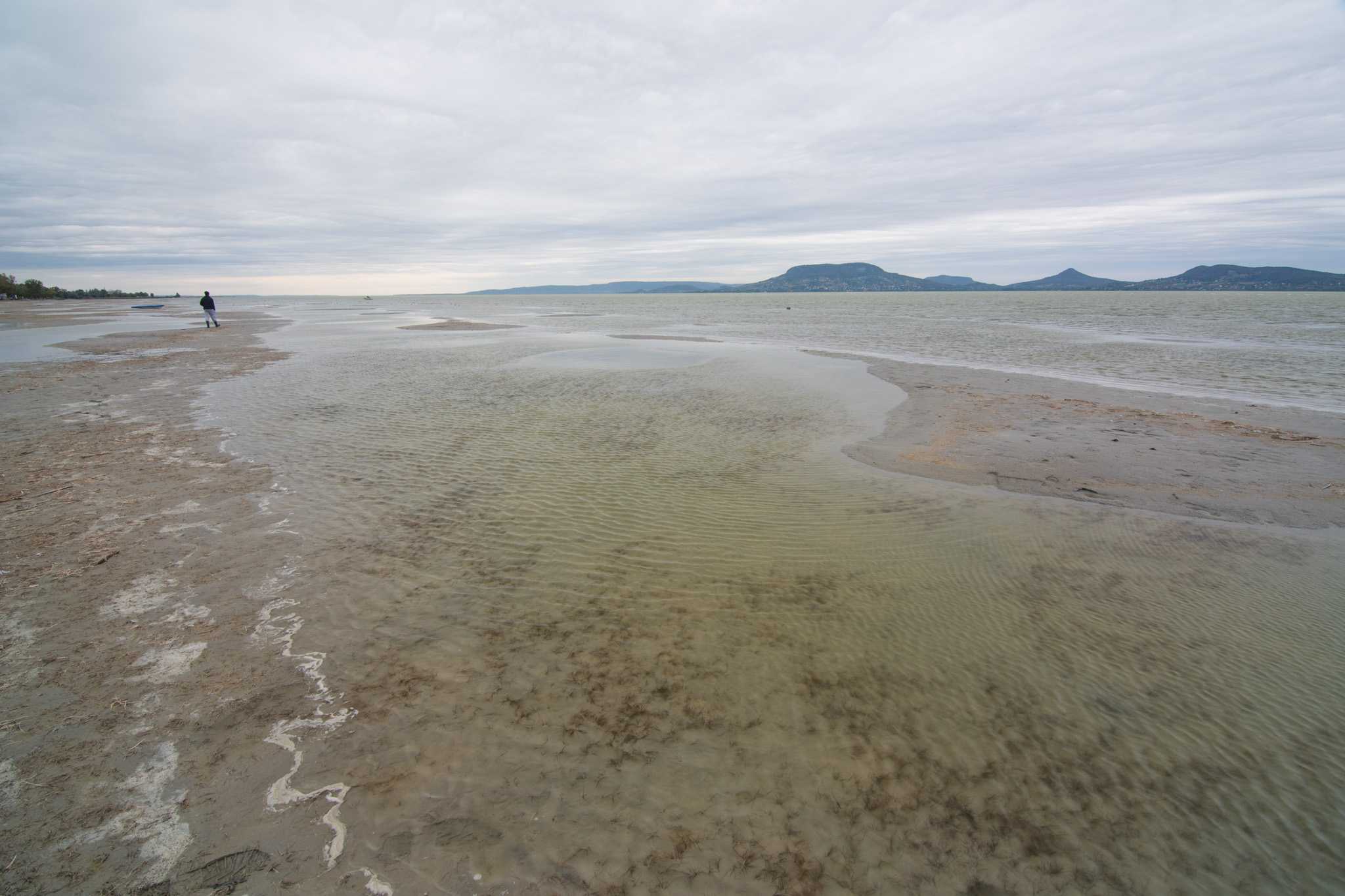
A special sight awaited us yesterday on the southern shore of Lake Balaton, at Fonyódliget. The water level of the lake is currently extremely low, which completely redrew the familiar coastal landscape. Almost no water remained in a strip of about 80–100 meters from the shore, so vast, long sandbars emerged from beneath the waves. This extraordinary natural phenomenon was accompanied by a rather stormy, strong wind, which constantly whipped up the remaining shallow water.
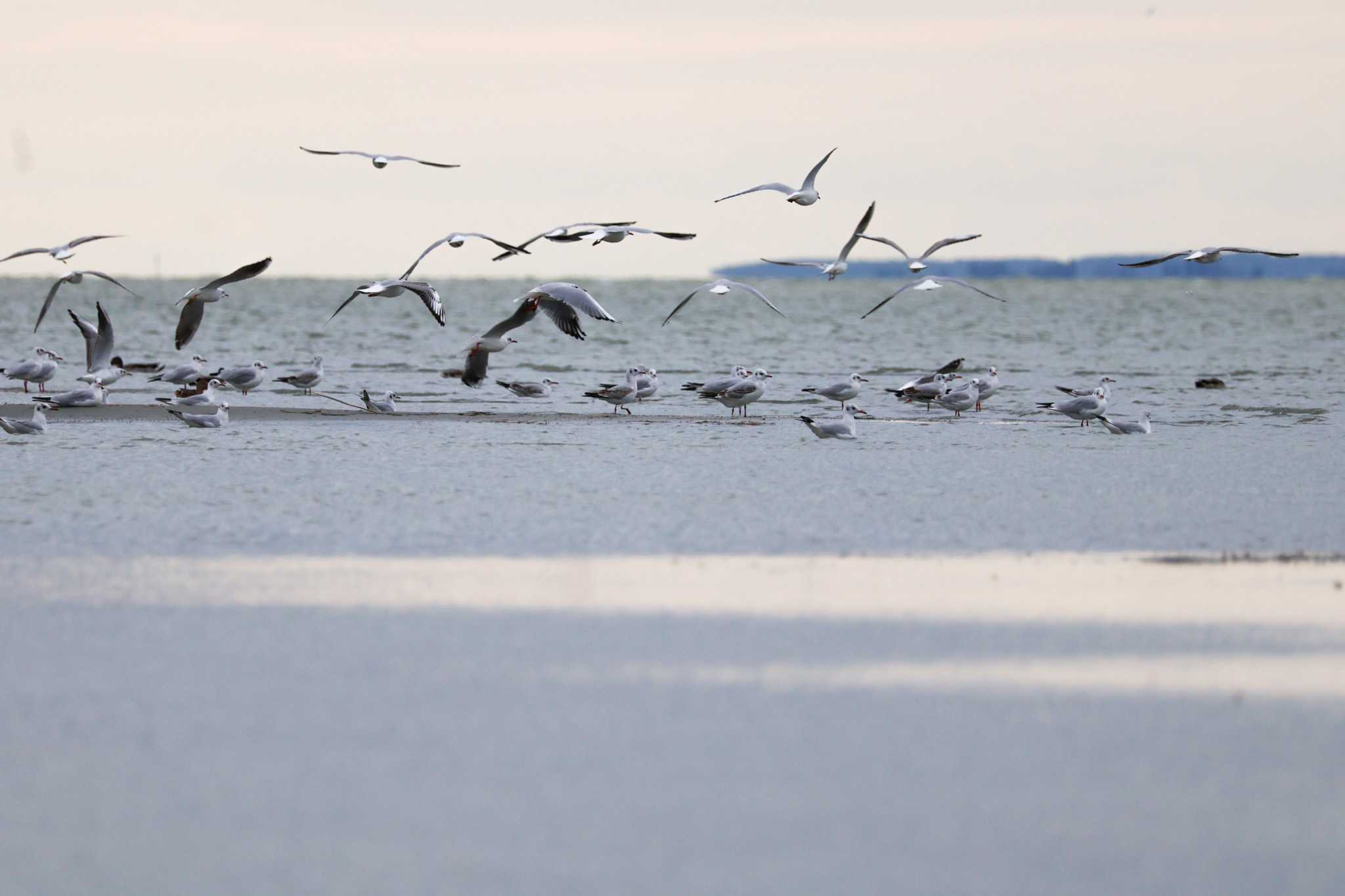
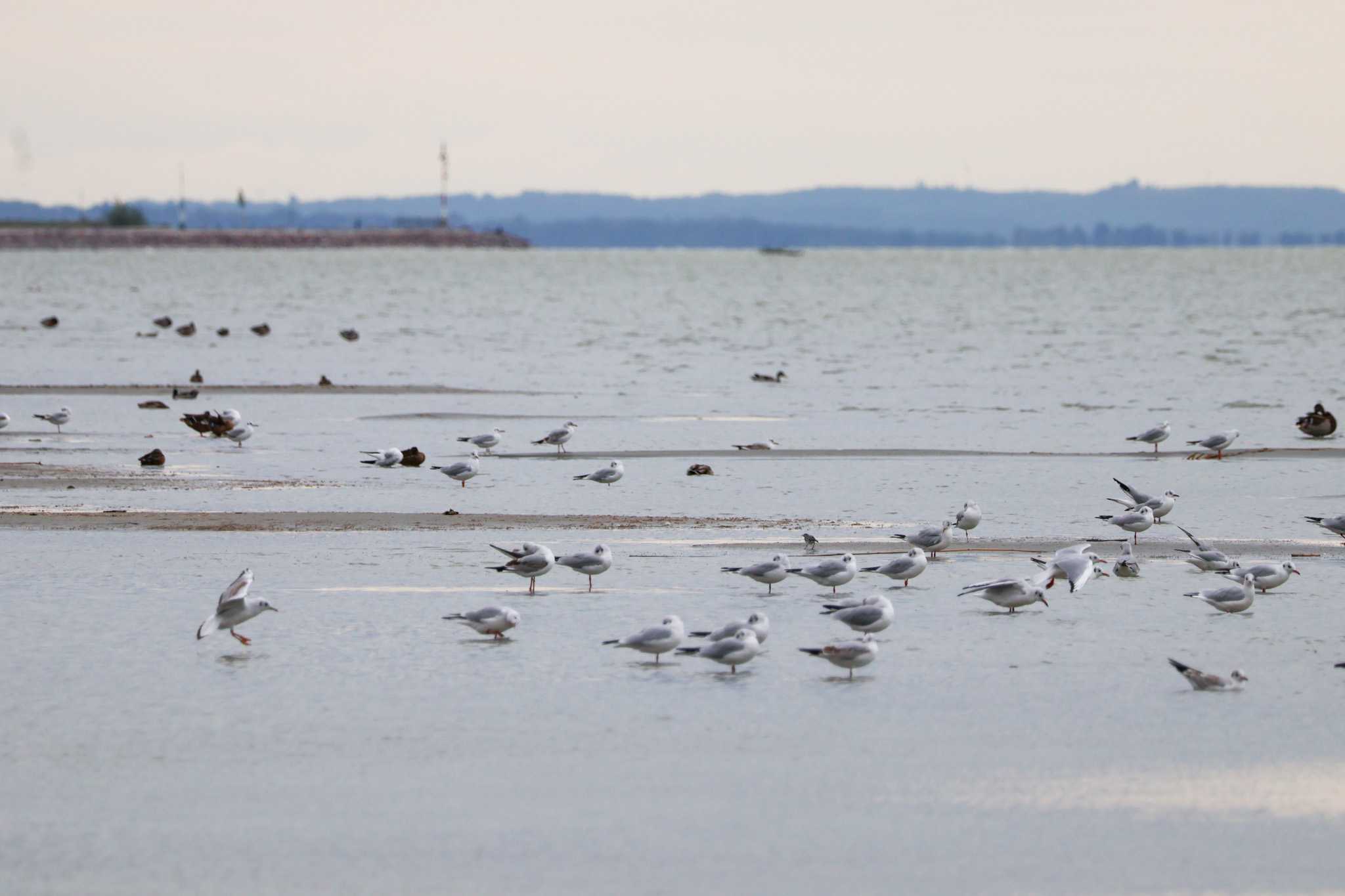
We set off from Kaposvár on this special and exciting photo tour with Kristóf Tóth to capture the rare moments of nature together. The dried-out lakebed section and the shallows immediately acted as a real magnet for bird life. An incredible number of wetland birds, lake birds, and gulls gathered in the shallow water and sandy zones. The beginning of the autumn bird migration is already clearly palpable in the area, which is always an exciting period for observers. We attempted to capture this bustling flock of birds under harsh conditions using two different camera setups with serious equipment. One camera body was a reliable Canon EOS 250D, to which we attached an ultra-telephoto 150-600 mm lens for distant subjects. The other photography equipment consisted of a more modern, mirrorless Canon EOS R10 camera, paired with a more agile 100-400 mm telephoto lens.
With these two setups, we targeted the birds resting and feeding on the sandbars together. With the help of technology, we managed to capture the small little ringed plovers picking on the wet mud. In addition, dunlins gathered in small flocks added to the variety as they followed the receding waterline. Among the gulls, we encountered a strikingly high number of young black-headed gulls, which loudly occupied the newly exposed areas. Naturally, the classic mallards could not be missing from the scene either, adding color to the bustling flock with their familiar presence. However, the real sensation and biggest novelty of the day for us was the appearance of quite a few northern shovelers. Known for its unique bill shape, this special species proved to be a rare treat in front of our cameras. Despite the windy weather and difficult lighting conditions, Kristóf and I managed to capture unforgettable moments with both cameras. The 150-600 mm lens worked great for bringing the more timid individuals closer, while the speed of the 100-400 mm optics was worth its weight in gold for birds in flight. In the end, enriched with fantastic and unique shots, we concluded this extraordinary autumn photo day with great satisfaction.
Roland Szabó, mentor, Nagybajom Group 3