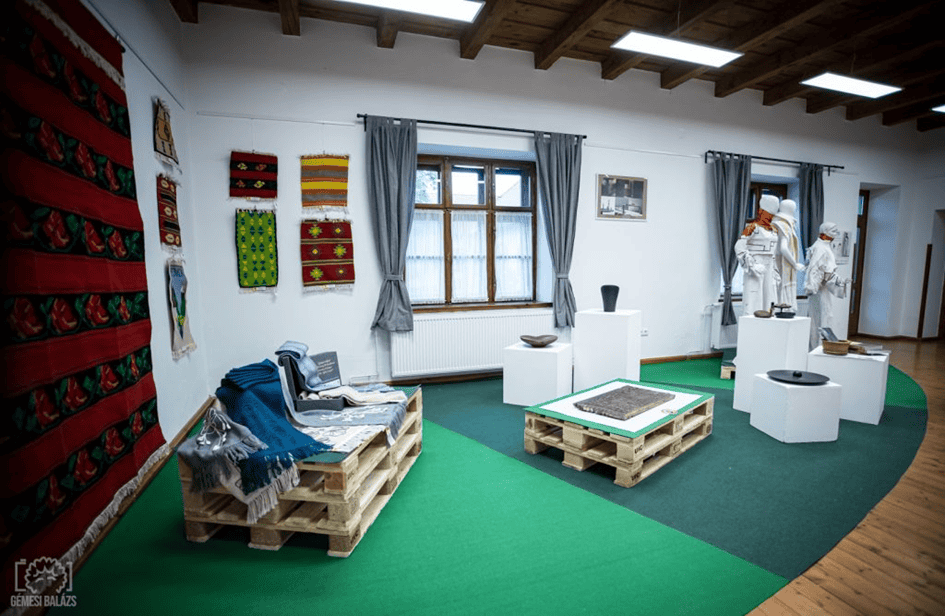
The exhibition titled “Our Handmade Heritage in the Danube Region” has opened in the Déryné 6 Gallery of the Jászság Community House. With the lead partnership of the Municipality of the Town of Jászberény, the COMMHERITOUR project has reached its end after three years, the closing events of which are this exhibition and the closing conference. At the exhibition opening, András Gál, mentor of the Csányi Foundation, welcomed the guests, and then Lóránt Budai opened the exhibition, with the contribution of the Saltatorex band and the dancers of the Jásztánc Foundation.

The project united partners from eight countries of the Danube region in order to exploit the potential inherent in heritage-based craftsmanship, by reviving traditional activities and connecting them to current usage needs and tourism. Alongside all this, the initiative strengthens rural, small-town areas and supports communities as well as self-sustaining local economies.
Hungary-Jászberény
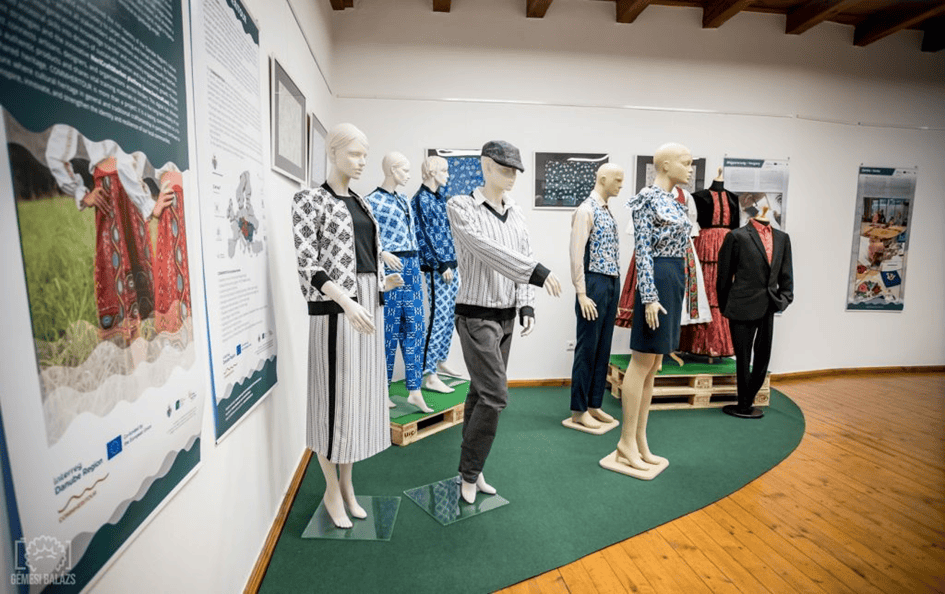
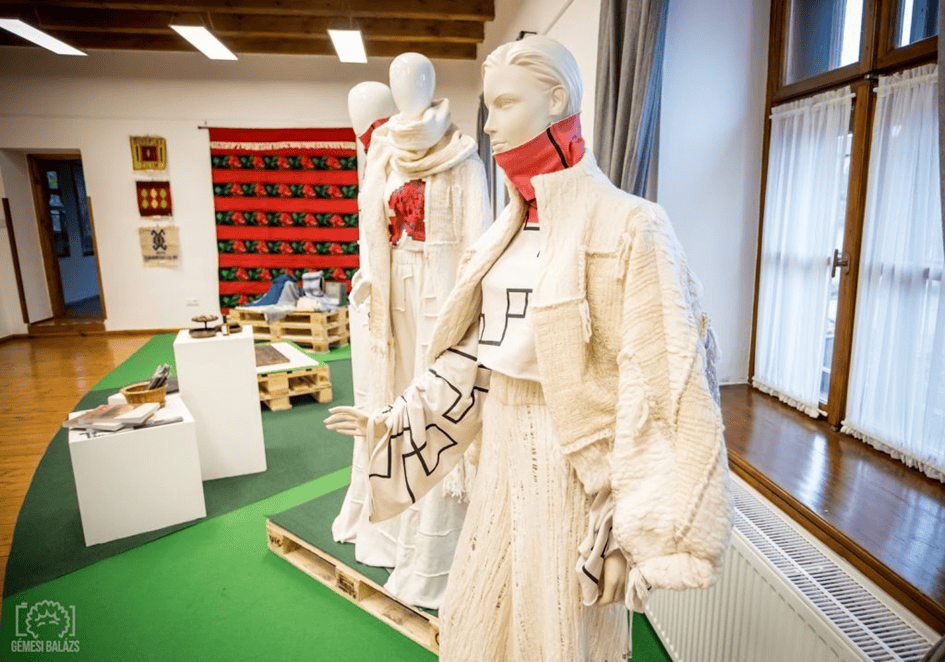
Building on the creative economy within the framework of the project, Jászberény plays a key role in preserving Jász traditions. Here, the goal of the pilot project is the revival of the Jász “suba” (sheepskin cloak) pattern through the creation of modern, wearable textiles. A clothing collection consisting of eight outfits, decorated with unique, reimagined Jász motifs, was realized, and a city brand (trademark) was formed.
Montenegro
The town of Petnjica in Montenegro is famous for its tradition of Bihor carpet weaving, which is an important part of the local cultural heritage. The goal of the “Training of the New Generation of Bihor Carpet Weavers” project is the preservation and passing down of the craft to young people, while also strengthening sustainable cultural tourism.
Czech Republic
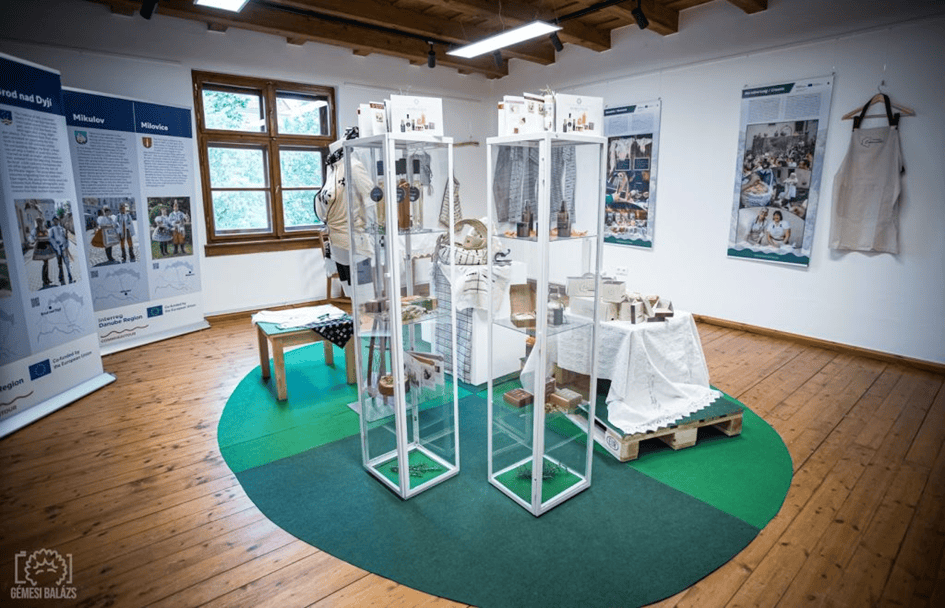
The project of the Mikulov region in South Moravia combines traditional folk motifs with modern design, especially through cycling apparel decorated with local patterns, which promote the cycling tourism of the region. The initiative aids the passing down of cultural heritage through folklore festivals and craft workshops, while making traditions a part of today’s lifestyle.
Croatia
The traditional pastry of Central Istria, the “Pazinski cukerančić”, is part of the Croatian intangible cultural heritage, which is an important symbol of Istrian hospitality and community identity. The survival of the tradition is helped by interactive demonstrations, digital content, and cultural presentations, so that the confectionery craft remains alive and attractive for the younger generations as well.
Bosnia and Herzegovina
An outstanding element of the cultural heritage of the Herzegovina-Neretva Canton is the UNESCO-listed Konjic woodcarving, which is a craftsmanship combining Ottoman and Mediterranean traditions. The project helps preserve the tradition through training programs, the renewal of the Woodcarving Museum, and the modern wooden furniture of ZANAT, while elevating the old craft into the world of contemporary design.
Romania
The pastoral culture and textile tradition of Sibiu County are built on wool processing, which the “Wool – a community-building thread” project revives through ethnographic research, workshops, and exhibitions. The initiative connects traditional craftsmanship with modern design, strengthening community identity and sustainable tourism.
Serbia
An important element of Vojvodina’s cultural heritage is Stapar carpet weaving, which, with its characteristic floral patterns, is one of the best-known traditions of Serbian folk art. The COMMHERITOUR project revives traditional motifs on modern clothes and everyday objects with the involvement of young designers and design students, while promoting the craft with exhibitions and workshops.
Slovenia
The town of Kamnik revives the tradition of herbal cultivation through the “Doroteja’s Herbal Story” project, which connects ancient knowledge with modern tourism through wellness programs, herbal breakfasts, and craft workshops. The Mekinje Monastery hosts the initiative as a cultural center, which strengthens the local community and sustainable tourism.
The creations of three artists from the Jászság Folk Art Workshop were also exhibited. The fire enamel jewelry of Ildikó Nagy-István, the special cookies of Katalin Mihályi – KEX & NEW YORK, and the textile and gingerbread creations of Krisztina Paálné Major; every piece was inspired by the furrier patterns of the Jászság.
We thank the partners arriving from abroad for helping the creation of the event by transporting the exhibition items here! The exhibition can be viewed for one month in the Déryné 6 Gallery, which I warmly recommend to visiting students, town residents, and all dear interested parties. Thanks to every organizer, contributor, and supporter!